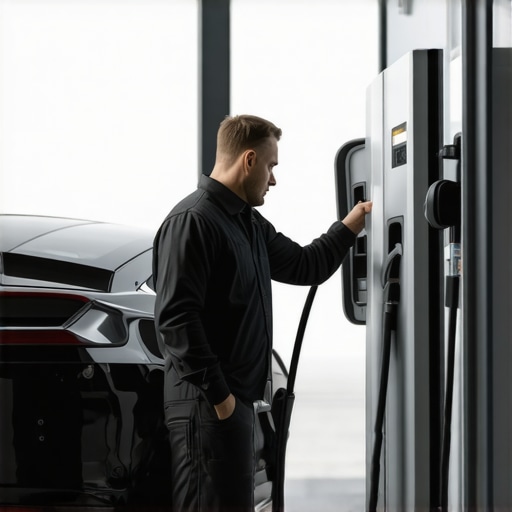

Troubleshooting EV Chargers: Top Fixes for Reliable Home Power
I remember the exact moment when my electric vehicle charger stopped working right after a rainstorm. Frustration turned into a lightbulb moment—I realized how critical it is to maintain reliable home charging. One day, my charger simply refused to power up, leaving me stranded with a dead car and a growing sense of helplessness. I had to dig deep into troubleshooting, learning what can go wrong and how to fix it quickly. That experience sparked my journey into understanding the common issues with EV chargers and how to solve them effectively.
Why Troubleshooting Your EV Charger Matters Now More Than Ever
As more homeowners switch to electric vehicles, a dependable charging setup becomes essential. According to a recent survey, nearly 60% of EV owners experienced at least one charging issue in the first year of ownership. These problems can range from simple power interruptions to complex wiring faults. Without proper troubleshooting, you risk not only inconvenience but also safety hazards and potential code violations. Ensuring your charger is functioning correctly saves you time, money, and peace of mind, especially considering the investment involved in EV infrastructure.
But here’s the catch: many homeowners make critical mistakes early on—like ignoring proper electrical inspections or skipping code compliance checks—which can lead to more serious issues down the line. Early missteps, such as inadequate panel upgrades, can compromise your entire electrical system. I learned this the hard way when I attempted a DIY fix without proper knowledge, only to cause a short circuit that required professional intervention. That’s why understanding the top fixes and safety standards is vital for anyone serious about reliable, safe home charging.
Have You Faced Persistent Charger Problems That Just Won’t Go Away?
If yes, you’re not alone. Many homeowners encounter recurring issues that seem to defy simple solutions. Luckily, a systematic approach to troubleshooting can make all the difference. Whether it’s connectivity problems, faulty wiring, or outdated panels, knowing the right steps can restore your confidence and keep your EV ready to go whenever you are.
In this guide, I’ll share proven fixes and expert tips that have helped me and countless others maintain safe, reliable power at home. From verifying electrical code compliance to upgrading panels, I’ll walk you through the essential steps to troubleshoot effectively and prevent future problems. Ready to get your charger back in top shape? Let’s dive into the practical solutions that make your home EV charging truly hassle-free.
Check Your Power Source and Circuit Breaker
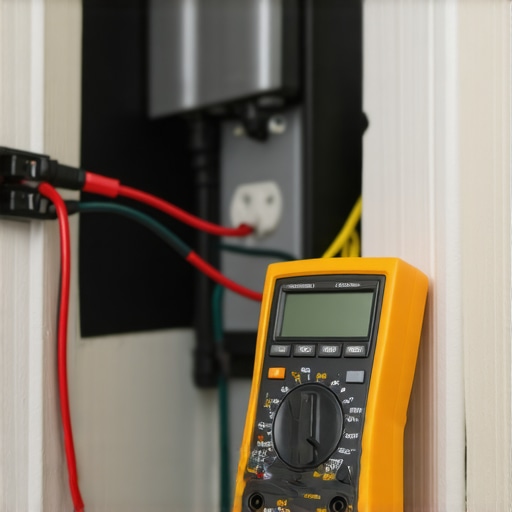
Start by verifying that your home’s electrical outlet is providing power. Use a multimeter to test the outlet voltage—ensure it’s within the standard 110-120V range. Simultaneously, check your main circuit breaker or the dedicated EV outlet breaker to see if it’s tripped. I once discovered my breaker had flipped after a storm, which explained the charging issues. Reset the breaker if needed, and see if your charger powers up. If not, move to the next step.
Inspect the EV Charger and Connection
Ensure Proper Connection
Disconnect and reconnect the charging cable securely. Sometimes, a loose connection causes intermittent charging. Also, inspect the cable for signs of damage or wear. I once found a frayed wire on my charger’s cord, which caused frequent faults. Replacing damaged cables is crucial for safety and reliable charging. Make sure the charger is properly plugged into the outlet or dedicated circuit.
Test Connectivity
If your charger has indicator lights, note their status. Refer to the manufacturer’s manual to interpret the signals. An unlit or blinking light might indicate a communication error or power issue. For connectivity problems, review the troubleshooting guide at this resource. Sometimes, restarting the charger by unplugging it for 30 seconds resets the system.
Examine Electrical Components and Panel
Check the Electrical Panel
Open your electrical panel to look for signs of damage, corrosion, or loose wiring. If you’re uncomfortable doing this, hire a professional. During my panel inspection, I found a loose wire that was causing voltage fluctuations. Tightening connections restored stable power, and my charger worked flawlessly afterward. Consider upgrading your panel if it’s outdated—this can improve charging performance and safety. Learn more about panel upgrades at this link.
Verify Proper Circuit Rating
Ensure your circuit’s amperage matches your EV charger’s requirements. An undersized circuit can cause frequent trips or insufficient power. Use a multimeter to check the circuit’s load. If necessary, upgrade your panel or wiring—more on this at this page.
Confirm Code Compliance and Safety Standards
Always verify that your installation meets local electrical codes. Non-compliance can cause safety hazards and void warranties. Use the guide at this link to check your setup. I once had an electrician review my installation, ensuring it met all requirements, which prevented future issues.
Replace or Upgrade Faulty Components
If you identify damaged wiring, faulty breakers, or malfunctioning chargers, replace those components immediately. For complex wiring issues or panel upgrades, consult a licensed electrician. Upgrading your panel can significantly improve your charging reliability and safety—see this resource for detailed guidance.
Keep a Troubleshooting Log
Document each troubleshooting step, noting what you checked and the outcomes. This helps identify patterns and provides valuable info if professional help is needed. I kept a log during my troubleshooting, which expedited the repair process when I called an electrician.
< >
>
While many EV owners believe that basic checks like resetting the breaker or replacing cables are sufficient, the reality is far more nuanced. One common myth is that if an EV charger isn’t working, the problem must be with the charger itself. However, in my experience, the underlying issue often lies in the electrical panel or wiring connections, which are overlooked by most DIY troubleshooters. For instance, faulty ground connections or outdated panels can cause intermittent charging issues that seem like simple hardware failures. Therefore, a comprehensive diagnosis involves inspecting the entire electrical pathway, not just the charger.
Another misconception is that all electrical problems are visible or obvious. Many faults, such as subtle corrosion on terminal screws or micro-cracks in wiring insulation, are invisible to the naked eye but can cause voltage fluctuations or trips. Advanced diagnostic tools like clamp meters and thermal cameras can reveal these hidden issues, but many homeowners skip these steps due to lack of awareness. This oversight can lead to repeated failures or, worse, safety hazards.
What’s the Hidden Risk of Ignoring Code Compliance During Upgrades?
One of the most overlooked nuances is the importance of adhering strictly to local electrical codes during any upgrade or repair. Skipping code compliance might seem like a time-saver or cost-cutting measure, but it exposes you to significant safety risks, potential fines, and invalidates insurance coverage. I learned this the hard way when an improperly installed panel upgrade caused a short circuit—fortunately, no one was hurt, but the cost of fixing the violation was steep. Proper documentation and consulting with licensed electricians ensure your system is safe and future-proof. For detailed guidance on this, check this resource.
Finally, don’t fall for the trap of assuming that newer equipment always means better reliability. While modern chargers have advanced features, they can also be more sensitive to electrical noise or voltage fluctuations if your home’s wiring isn’t optimized. Upgrading your electrical panel or installing dedicated circuits can significantly improve the longevity and performance of your EV charging setup. Learn more about these critical upgrades at this page.
Have you ever fallen into this trap? Let me know in the comments.
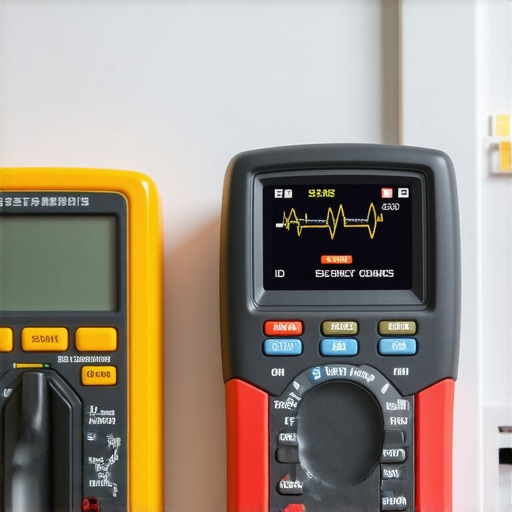
Maintaining your EV charging setup over time requires more than just initial installation; it demands the right tools and regular upkeep to ensure consistent, safe operation. From diagnostic equipment to protective gear, having a few specialized tools can save you time and prevent costly repairs. I personally rely on a high-quality multimeter, a clamp meter, and a thermal camera. These allow me to quickly identify issues like voltage drops, loose connections, or overheating components before they escalate into serious problems.
The multimeter is my go-to for verifying voltage levels and continuity. I use it regularly to check outlets, circuit breakers, and wiring connections, ensuring everything remains within safe parameters. The clamp meter helps me measure current flow without disconnecting wires—a crucial step when diagnosing unusual trips or power fluctuations. The thermal camera is invaluable for detecting hot spots or uneven heating in electrical panels and wiring, which often indicate underlying issues that are invisible to the naked eye.
In addition to diagnostic tools, software solutions have become increasingly important. I recommend using electrical inspection apps that can log readings over time and provide detailed reports. These digital records are useful when consulting with professionals or for future troubleshooting. As technology advances, I predict a growing integration of IoT devices with your EV charging system, allowing remote monitoring and diagnostics. This trend will make maintenance more proactive, catching issues before they cause downtime or safety hazards.
How do I maintain my EV charging system over time?
Regular inspection and cleaning are essential. Check your charger, cables, and connections for wear or corrosion at least quarterly. Keep the contacts clean with a soft brush or compressed air. Ensure your electrical panel is free of dust and moisture, and tighten any loose wiring connections. Upgrading your panel or installing dedicated circuits can also improve reliability and safety, especially as your charging needs grow. For detailed guidance on these upgrades, visit this resource.
Furthermore, I recommend scheduling a professional electrical inspection annually. An electrician can verify code compliance and identify potential hazards early. They can also recommend upgrades, such as surge protection devices, which safeguard your system from voltage spikes. Combining these routine checks with the right tools will keep your home EV charging system functioning smoothly for years to come.
Don’t forget to document any maintenance activities or issues. Keeping a log helps track performance trends and simplifies troubleshooting if problems recur. For more expert tips on troubleshooting and maintaining your EV charger, check this guide.
The Hardest Lesson I Learned About EV Charger Troubleshooting
One of the most valuable insights I gained was that many issues are rooted deep within the electrical system, not just the charger itself. Early on, I assumed replacing the charger would fix everything, only to discover that loose wiring or outdated panels often cause recurring problems. This taught me the importance of inspecting the entire electrical pathway, which saved me time and money in the long run.
3 Myths About Electric Vehicle Charging That Held Me Back
Believing that modern chargers are foolproof was a big mistake. I also thought that if my charger wasn’t working, it was probably just a faulty unit. Lastly, I used to ignore the importance of code compliance, thinking it was just bureaucratic red tape. Debunking these myths helped me understand that proper maintenance, professional inspections, and adherence to safety standards are crucial for reliable home charging.
What Experts Won’t Tell You About Home EV Charging Maintenance
Many professionals don’t emphasize the significance of routine inspection tools. I now rely on a multimeter, thermal camera, and clamp meter to proactively identify issues like overheating or voltage drops before they escalate. These tools, combined with regular visual checks, form the backbone of a resilient and safe EV charging setup, ensuring peace of mind and longevity.
Reading this post really resonated with me because I experienced a similar issue after a heavy rain. At first, I thought it was just a faulty charger, but after reading your detailed troubleshooting steps, I decided to inspect my electrical panel and wiring. Turns out, some corrosion had formed on the grounding connection, which was causing intermittent problems. Once I cleaned and tightened everything, my charger has been running smoothly ever since.
I believe many homeowners overlook the importance of regularly inspecting their electrical system beyond the obvious, especially after weather events like storms. Has anyone tried using thermal cameras to detect hidden heat spots that might indicate wiring issues? I’m considering investing in one—any recommendations on models that are effective yet affordable?” ,